UAE Tax Residency Certificate Fees, Processing Time and Validity
How much does a UAE Tax Residency Certificate cost, how long does it take to obtain, and when does it expire? Understanding…
Read article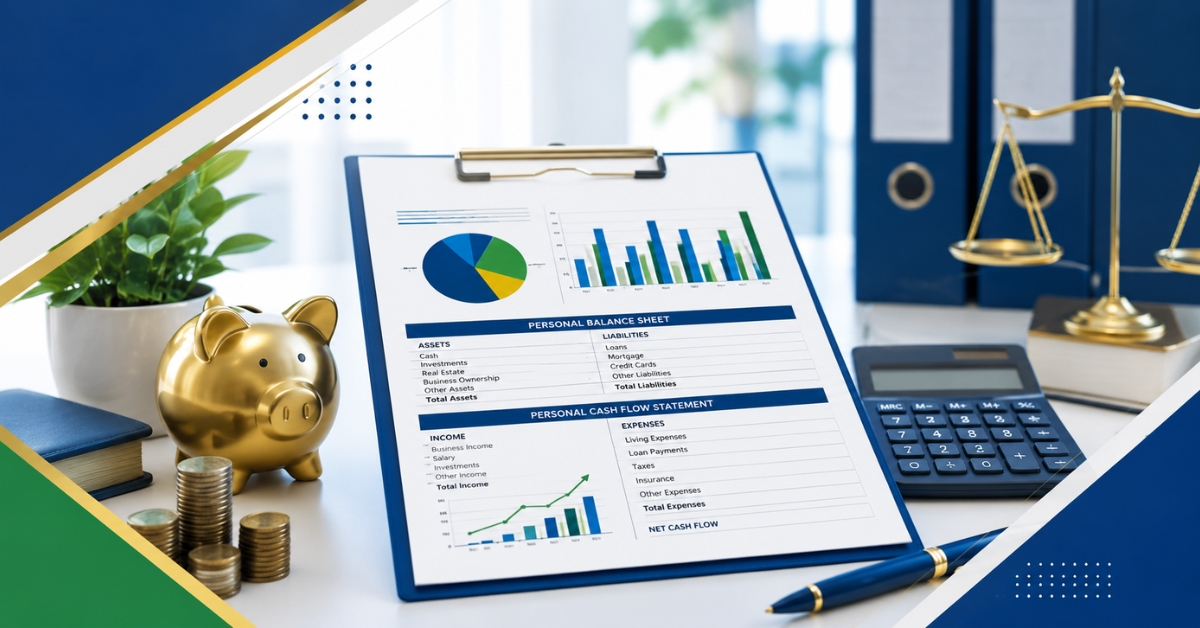
Running a successful business requires more than tracking company revenue and expenses. As a business owner, your personal financial position also plays a significant role in securing funding, making investment decisions, managing risks, and planning for long-term success. This is where Personal Financial Statements become essential. They provide a complete picture of your personal assets, liabilities, income, expenses, and overall net worth, helping you make informed financial decisions.

Personal Financial Statements are financial documents that summarize an individual’s financial position at a specific point in time. They help business owners understand what they own, what they owe, how much they earn, and how much they spend. Unlike business financial reports, these statements focus entirely on personal finances rather than company operations.
A well-prepared personal financial statement allows you to evaluate your financial health, calculate your net worth, monitor cash flow, and identify opportunities to improve your financial stability. It also serves as an important document when applying for loans, attracting investors, purchasing property, or planning future investments.
A personal financial statement is a document that lists all your personal assets, liabilities, income, and expenses to provide a complete overview of your financial condition. It helps determine your net worth and evaluates your ability to meet financial obligations.
Unlike company financial reports that focus on business profitability and operations, personal financial statements reflect your individual financial status. They support financial planning, wealth management, tax preparation, and informed decision-making.
Regularly updating these statements enables business owners to monitor progress toward financial goals while identifying areas where spending, saving, or investing can be improved.
Most business owners rely on two primary financial statements to monitor their personal finances.
A personal balance sheet provides a snapshot of your financial position by listing everything you own and everything you owe.
It generally includes:
The difference between your total assets and total liabilities represents your personal net worth.
A personal cash flow statement tracks money coming in and money going out over a specific period.
It usually includes:
A positive cash flow means your income exceeds your expenses, while negative cash flow indicates that your spending is greater than your earnings.
Many entrepreneurs assume that strong business financial statements alone are enough. In reality, lenders, investors, and financial advisors often evaluate both business and personal finances before making important decisions.
Personal Financial Statements help business owners understand their financial capacity, improve planning, and reduce financial risks.
Business profits do not always reflect personal financial health. A company may perform well while its owner carries significant personal debt or has limited liquid assets.
Personal Financial Statements provide a complete overview of:
This information allows business owners to assess financial stability and make better decisions regarding investments, borrowing, and long-term planning.
Understanding your personal financial position also helps identify unnecessary expenses, reduce debt, and improve savings strategies.
When applying for business financing, many banks request Personal Financial Statements in addition to company financial records.
Lenders want to determine whether business owners have the financial capacity to manage loan repayments if business income fluctuates. A strong personal financial profile increases confidence and may improve your chances of securing financing.
Financial institutions commonly use personal financial statements when evaluating applications for:
Accurate financial documentation demonstrates financial responsibility and strengthens your credibility during the approval process.
Good financial decisions require reliable information. Personal Financial Statements provide the data needed to evaluate financial opportunities and identify potential risks before making major commitments.
For example, before purchasing investment property or expanding your business, reviewing your personal balance sheet helps determine whether you have sufficient liquidity and borrowing capacity.
These statements also support better decisions regarding:
Business owners who regularly review their financial information are better prepared to respond to economic changes and unexpected expenses.
Maintaining Personal Financial Statements encourages consistent financial habits and greater accountability.
Instead of relying on estimates, business owners can monitor their financial progress using accurate records. This improves budgeting, expense management, and long-term financial planning.
Regular financial reviews help you:
Strong financial discipline benefits both personal wealth and business success, creating a more secure foundation for future growth.
Every Personal Financial Statement contains several essential components that provide a complete overview of your financial position.
| Component | What It Includes | Why It Matters |
|---|---|---|
| Cash and Bank Balances | Cash, checking accounts, savings accounts | Provides immediate liquidity for daily expenses and emergencies |
| Investments | Stocks, bonds, mutual funds, ETFs, and other investments | Shows long-term wealth and income-generating assets |
| Real Estate | Residential homes, commercial properties, land | Represents significant personal assets and supports net worth calculations |
| Vehicles | Cars, motorcycles, recreational vehicles | Adds to total assets while reflecting current market value |
| Business Ownership | Shares or ownership interests in private businesses | Demonstrates personal investment in business ventures |
| Retirement Accounts | Pension plans, retirement savings, investment funds | Supports long-term financial security and retirement planning |
| Personal Loans | Bank loans, personal financing, borrowed funds | Records financial obligations that reduce net worth |
| Credit Card Debt | Outstanding balances on credit cards | Helps monitor short-term liabilities and debt management |
| Mortgage | Home loans and property financing | Represents one of the largest long-term liabilities for many business owners |
| Other Liabilities | Tax obligations, guarantees, unpaid bills, other debts | Ensures a complete and accurate picture of financial obligations |
A comprehensive personal financial statement should include accurate values for each component and be updated regularly. Keeping detailed financial records improves financial transparency, supports informed decision-making, and makes it easier to respond to opportunities such as business expansion, investment, or loan applications.

A personal balance sheet is one of the most important Personal Financial Statements because it provides a snapshot of your financial position at a specific point in time. It shows everything you own (assets) and everything you owe (liabilities). The difference between these two figures is your personal net worth.
Business owners should review their personal balance sheet at least once a year or before making major financial decisions. This helps identify opportunities to increase wealth, reduce debt, and improve overall financial stability.
Assets are resources that have financial value and contribute to your overall net worth. Some assets are highly liquid and can be converted into cash quickly, while others are long-term investments.
Common personal assets include:
Keeping accurate records of your assets allows you to measure financial growth over time and make informed investment decisions.
Liabilities represent financial obligations that reduce your net worth. Monitoring liabilities helps business owners understand how much debt they carry and whether repayments remain manageable.
Common liabilities include:
Reducing unnecessary debt can improve your financial health and strengthen your ability to qualify for future financing.
Your personal net worth reflects your overall financial position and serves as a key indicator of financial stability.
Formula:
Net Worth = Total Assets − Total Liabilities
For example:
Net Worth = AED 1,600,000
Tracking your net worth annually helps you evaluate financial progress, measure wealth growth, and adjust your financial strategy when necessary.
While a balance sheet shows your financial position at one point in time, a personal cash flow statement tracks the movement of money over a specific period, such as a month or year. It highlights where your money comes from and where it goes. Understanding your cash flow helps ensure you have enough funds to meet personal and business obligations while supporting future investments.
Business owners often have multiple income streams. Recording each one provides a complete picture of available cash.
Common sources of income include:
Diversifying income sources can improve financial security and reduce reliance on a single revenue stream.
Monitoring expenses is equally important. Even high-income business owners can experience financial stress if spending consistently exceeds income.
Typical monthly expenses include:
A well-managed cash flow statement helps identify unnecessary spending and improves budgeting decisions.
Positive cash flow means your income exceeds your expenses. This provides financial flexibility and creates opportunities to invest, save, and grow your wealth.
Positive cash flow allows business owners to:
Regularly reviewing cash flow helps prevent financial shortfalls and supports sustainable business growth.
Maintaining updated Personal Financial Statements provides significant advantages for business owners, regardless of company size or industry.
Some of the key benefits include:
Business owners who maintain accurate financial records are generally better prepared to respond to economic changes and business opportunities.
Updating your personal financial information regularly ensures that it remains accurate and useful for financial planning.
You should review and update your statements:
Many financial professionals recommend reviewing your personal financial statements at least once every year, even if there are no major financial changes.
Even experienced entrepreneurs make mistakes when preparing their personal financial statements. Avoiding these common errors improves financial accuracy and decision-making.
One of the most common mistakes is combining personal and business transactions.
Using separate bank accounts and maintaining clear financial records makes accounting simpler and improves financial transparency.
Some business owners record obvious debts such as mortgages but overlook personal guarantees, tax obligations, or outstanding loans.
Including every liability provides a more realistic picture of your financial position.
Estimating asset values without considering current market conditions can inflate your net worth.
Use realistic market values for properties, vehicles, investments, and business ownership interests.
Business guarantees, pending legal obligations, or co-signed loans may not require immediate payment, but they still represent potential financial risks.
Recording these obligations improves financial planning and risk management.
Financial information becomes outdated quickly.
Changes in investments, income, property values, or debt levels should be reflected promptly to ensure your statements remain accurate.
Some business owners focus only on assets while overlooking monthly income and expenses.
A healthy net worth does not always guarantee positive cash flow. Managing both is essential for long-term financial stability.
Financial statements should always be backed by supporting documents such as:
Maintaining organized financial documentation makes it easier to verify information during loan applications, investment discussions, audits, or financial reviews.
Avoiding these common mistakes helps business owners maintain accurate Personal Financial Statements, improve financial planning, strengthen lender confidence, and make better long-term business and personal financial decisions.
Creating a personal financial statement does not have to be complicated. By following a structured process, business owners can build an accurate document that supports financial planning, loan applications, and long-term wealth management.
Start by collecting all relevant financial records. Having complete and accurate information reduces errors and saves time.
Documents to gather include:
Keeping these records organized also makes future updates much easier.
Prepare a detailed list of everything you own and assign a realistic market value to each asset.
Your asset list may include:
Avoid overestimating values. Accurate reporting provides a clearer picture of your financial health.
Next, list all financial obligations.
Include:
Being honest about liabilities allows you to calculate your actual financial position.
Once your assets and liabilities have been recorded, calculate your personal net worth.
Formula:
Net Worth = Total Assets − Total Liabilities
Reviewing your net worth regularly helps you monitor financial progress and identify opportunities to improve your financial position.
Record all monthly income and expenses.
Track:
Understanding your monthly cash flow helps you maintain financial stability and avoid unnecessary debt.
Your financial position changes over time. Review your personal financial statement at least once a year or whenever significant financial events occur.
Regular updates ensure your information remains accurate for lenders, investors, and financial planning purposes.
Several tools can simplify the preparation and maintenance of personal financial statements. The right option depends on your financial complexity and reporting needs.
| Tool | Best For | Key Advantages |
|---|---|---|
| Microsoft Excel | Individuals and small business owners | Fully customizable, flexible calculations, and easy reporting |
| Google Sheets | Collaboration and cloud access | Automatic saving, online access, and simple sharing |
| Personal Finance Apps | Everyday financial tracking | Automatic expense tracking and budgeting features |
| Accounting Software | Entrepreneurs with multiple financial activities | Integrated reporting and organized financial records |
| Professional Accountants | Complex financial situations | Expert guidance, accuracy, and compliance support |
| Financial Advisors | Long-term financial planning | Investment strategies, retirement planning, and wealth management advice |
Using digital tools alongside professional advice can improve financial accuracy and reduce administrative workload.
Although both documents provide financial insights, they serve different purposes.
| Personal Financial Statements | Business Financial Statements |
|---|---|
| Focus on an individual’s finances | Focus on company finances |
| Include personal assets and liabilities | Include business assets and liabilities |
| Measure personal net worth | Measure business profitability and financial performance |
| Used for personal loan applications and financial planning | Used for investors, lenders, tax authorities, and management |
| Include personal income and expenses | Include business revenue and operating expenses |
| Support retirement and wealth planning | Support business strategy and operational decisions |
| Prepared by individuals or financial advisors | Prepared by business accountants or finance teams |
| Updated based on personal financial changes | Updated according to accounting periods and reporting requirements |
Business owners should maintain both personal and business financial statements to gain a complete understanding of their financial position.
Strong personal finances often contribute to stronger business performance. Lenders, investors, and financial institutions frequently evaluate a business owner’s personal financial position before approving financing or partnerships.
Banks often assess personal financial statements alongside business financial records. A healthy personal balance sheet and positive cash flow can improve borrowing capacity and increase approval chances for business loans.
Potential investors want to work with financially responsible entrepreneurs. Organized personal financial records demonstrate transparency, discipline, and effective financial management.
Business expansion requires capital. Understanding your personal financial position helps determine whether you can safely invest additional funds or secure financing without creating unnecessary financial pressure.
Personal financial statements allow you to identify financial risks before they become significant problems. Monitoring debt levels, liquidity, and cash flow supports better financial decision-making.
Successful entrepreneurs focus on building both profitable businesses and personal wealth. Regular financial reviews help balance business growth with personal investment planning, retirement savings, and wealth preservation.
Managing both personal and business finances requires accuracy, consistency, and professional expertise. Ripple Accountants provides comprehensive accounting, bookkeeping, financial reporting, and advisory services that help business owners maintain organized financial records and make informed financial decisions. Whether you need assistance preparing financial statements, improving cash flow management, maintaining compliance, or planning for future business growth, our experienced professionals are ready to support your financial goals. Contact Ripple Accountants at +971 52 356 5409 or email info@uaetaxcompliance.ae to learn how our tailored accounting and advisory solutions can support your business.
A personal financial statement is a document that summarizes your assets, liabilities, income, expenses, and overall net worth. It provides a complete overview of your personal financial position.
Business owners use personal financial statements to monitor financial health, support loan applications, improve financial planning, attract investors, and make informed financial decisions.
Review and update your statement at least once a year or whenever significant financial changes occur, such as purchasing property, taking on new debt, or making major investments.
Common supporting documents include bank statements, investment reports, property valuations, loan agreements, mortgage statements, credit card statements, insurance records, and tax documents.
Yes. Many banks request personal financial statements when evaluating business loan applications, particularly for startups, sole proprietors, partnerships, and businesses providing personal guarantees.
Yes. Many business owners prepare their own statements using spreadsheets or personal finance software. However, professional accounting assistance can improve accuracy and ensure all financial information is properly documented.
A balance sheet shows your assets, liabilities, and net worth at a specific point in time. A cash flow statement tracks income and expenses over a period, helping you understand how money moves in and out of your finances.
Personal Financial Statements are far more than simple financial documents; they are valuable tools that help business owners understand their financial health, calculate net worth, manage cash flow, and plan confidently for the future. By maintaining accurate records of your assets, liabilities, income, and expenses, you can make informed decisions, strengthen your eligibility for financing, and build long-term financial stability.
Disclaimer: This article is for general informational purposes only and should not be considered financial, legal, or tax advice. Every business owner’s financial situation is different. Consult a qualified financial advisor or accounting professional before making financial decisions.
Tell us a little about your business and our UAE tax experts will get back to you with clear, practical answers — no obligation.
 Corporate Tax
How much does a UAE Tax Residency Certificate cost, how long does it take to obtain, and when does it expire? Understanding…
Read article Corporate Tax
Are you planning to apply for a UAE Tax Residency Certificate but unsure which documents you need or whether you qualify? Understanding…
Read article Corporate Tax
Do you need a UAE Tax Residency Certificate for a local administrative requirement or to claim benefits under a double taxation agreement?…
Read articlePage 1 of 58
Book a free consultation and get clear answers for your business.
0 Comments