Moving from Spreadsheets to ERP: Data Migration and Opening Balance Checklist
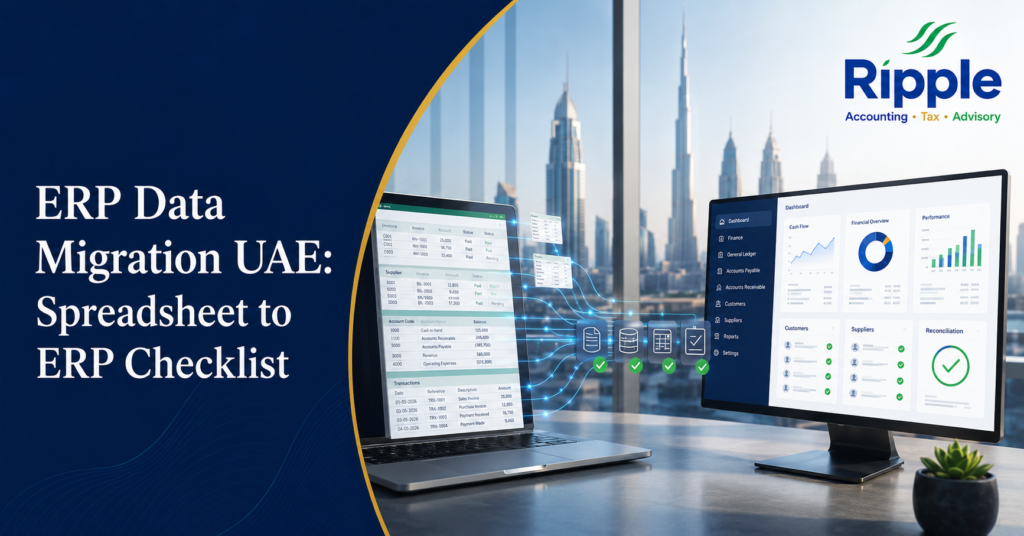
Are your spreadsheets still carrying your business’s accounting history? Moving from spreadsheets to an ERP can improve financial control and reporting, but poor migration can create costly accounting errors. For UAE SMEs, ERP data migration UAE projects should go beyond importing Excel files. Businesses need to clean historical data, map the chart of accounts, transfer […]
Accounting for a Share Capital Increase in a UAE Company

What happens in your accounting records when shareholders put more money into a UAE company? A share capital increase accounting UAE is more than a change to the company’s ownership documents. It also affects the company’s equity, assets, shareholding structure, and financial statements. For accountants and business owners, the key is to record the transaction […]
Working Capital Dashboard: DSO, DPO and Inventory Days Explained

Is your business profitable on paper but still struggling to maintain enough cash? The problem may be tied to working capital rather than profitability alone. A working capital dashboard helps UAE businesses monitor how quickly customers pay, how long inventory remains unsold, and how quickly suppliers are paid. The three core measures Days Sales Outstanding […]
Budget vs Forecast vs Reforecast: Guide for UAE Finance Teams
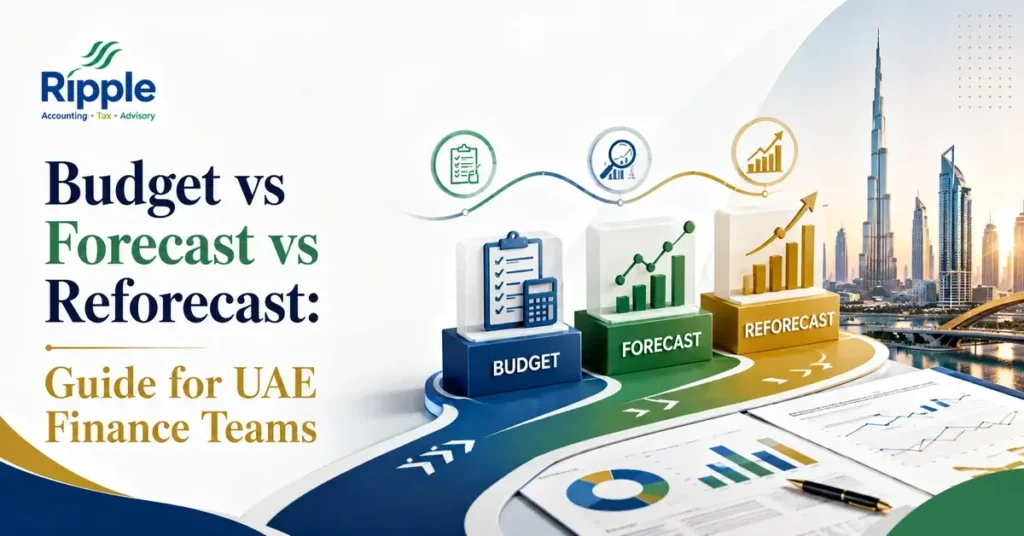
Is your business still measuring performance against a budget that no longer reflects reality? A budget gives your business a financial plan, but business conditions rarely remain unchanged throughout the year. Sales may increase or decline, costs may rise, customers may delay payments, or management may change its growth plans. This is where budget vs […]
Automated Bank Reconciliation: Rules, Exceptions and Human Review

How much time does your finance team spend checking bank transactions that could be matched automatically? For many UAE businesses, bank reconciliation is still a repetitive month-end task involving bank statements, accounting records, invoices, receipts, and payment confirmations. As transaction volumes grow, manual reconciliation can become slower and more prone to missed items. Automated bank […]
Month-End Close Checklist UAE: A Fast 7-Day Guide for Businesses

Month-end can feel stressful when financial records are scattered, invoices are missing, and several transactions still need to be checked. For UAE businesses, a proper month-end close is more than simply updating the accounts. It helps management understand the business’s financial position and keeps accounting records ready for reporting and tax-related requirements. The good news […]
DNFBP Transaction Monitoring UAE: Accounting Red Flags and Review Procedures
Could a transaction look completely normal in your accounting system and still be an AML red flag? A transaction may appear normal in accounting records but still require closer review. Large payments, transfers involving several parties, or sudden changes in transaction patterns can be potential red flags, although they do not automatically indicate money laundering […]
Source of Funds Documentation UAE: Finance Team Guide

Do you know where a customer’s money actually comes from, and can you prove it with reliable documents if someone asks? For finance teams, processing a payment is often more than checking whether the amount and account details are correct. In certain situations, businesses also need to understand the source of funds behind a transaction. […]
Financial Fraud Red Flags: Unusual Vendors, Refunds, and Journal Entries

Could unusual vendors, frequent refunds, or unexpected journal entries be warning signs of financial fraud? Financial fraud does not always begin with a large or obvious transaction. Sometimes, it appears through small accounting irregularities that are easy to overlook. Unusual vendor activity, repeated refunds, unusual payment patterns, and unexplained journal entries can all deserve closer […]
Segregation of Duties in UAE SME: Low-Cost Accounting Controls
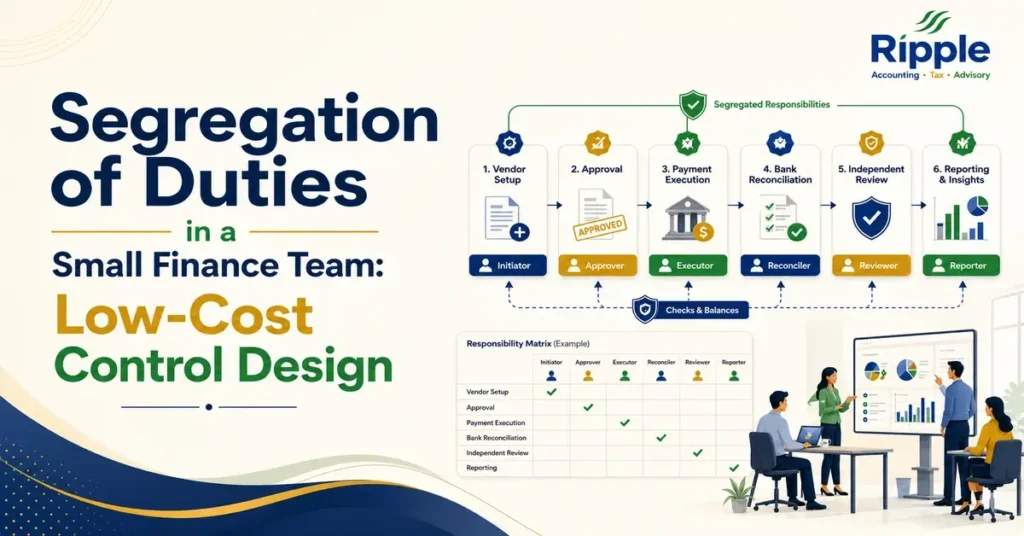
Can a small UAE business really maintain strong financial controls without hiring a large finance team? For many SMEs, the finance team may consist of only two or three people. One employee may record invoices, prepare payments, manage suppliers, and even perform bank reconciliations. While this approach may save time and money, it can also […]